
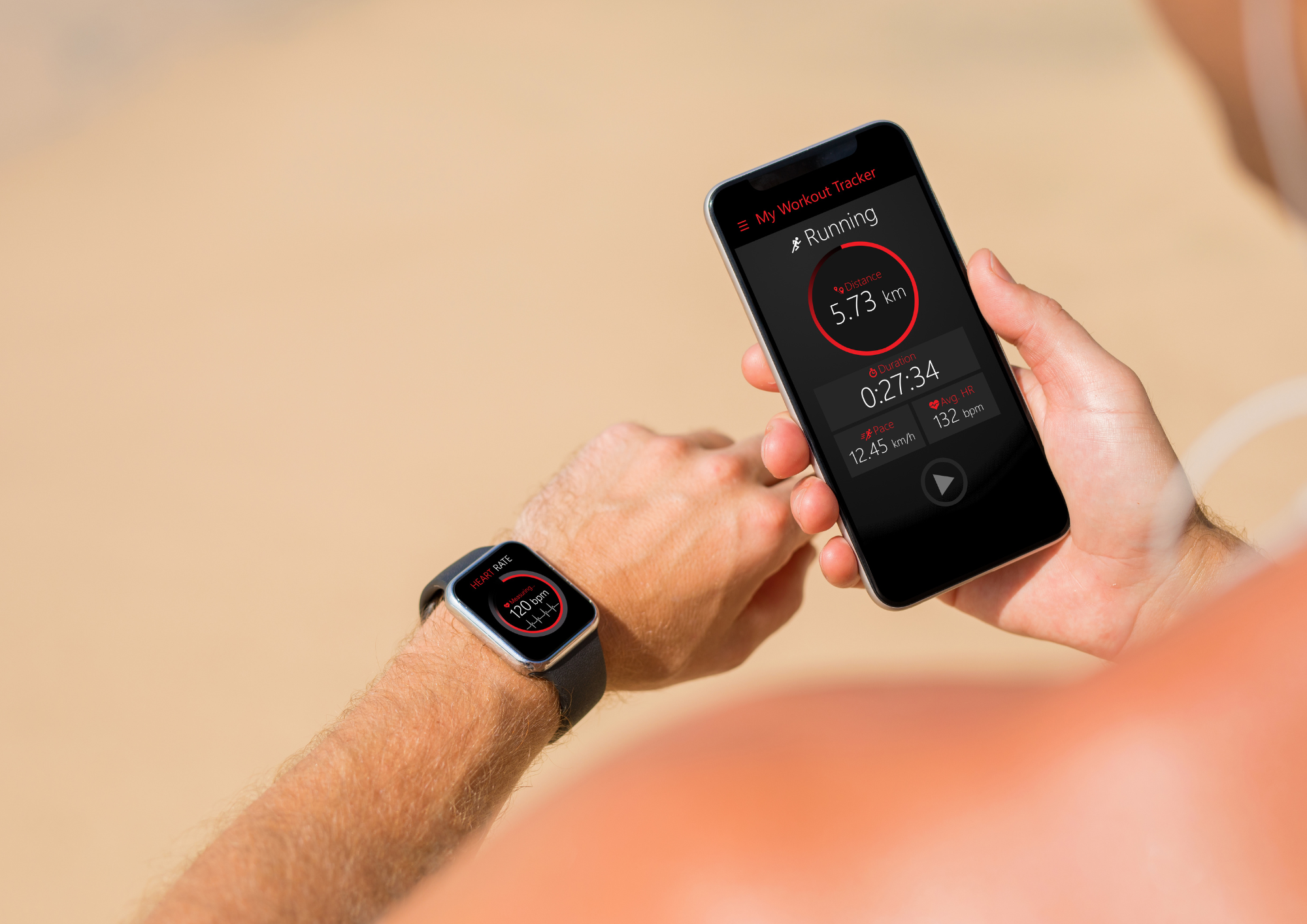
Can Wearable Devices Affect Your Health Insurance?
Smartwatches, fitness trackers, and other wearable devices have become part of everyday life. They can count your steps, monitor your heart rate, track sleep, record workouts, and sometimes provide information about blood oxygen or other health measurements. But as these devices become more connected to healthcare, an important question is emerging: Can wearable devices affect your health insurance?
The short answer is that they can, but usually not in the way people might expect. Simply wearing a smartwatch does not automatically increase or decrease your health insurance premium. However, the health information collected by a wearable device may be used in wellness programs, shared with healthcare providers, or connected to insurance-related services depending on the program and your consent.
Understanding how wearable technology and health insurance intersect can help you make better decisions about your coverage and your personal health data.
How Wearable Devices Are Becoming Part of Healthcare
Wearable devices are no longer used only to count steps or track exercise. Many devices can collect information such as heart rate, activity levels, sleep patterns, exercise duration, and other health-related measurements.
Some people use this information simply to understand their habits. Others share it with healthcare providers to help monitor changes over time. For example, a patient may use a wearable to track activity while working on a healthier lifestyle or provide information to a doctor as part of ongoing care.
This growing connection between technology and healthcare means wearable data can sometimes become part of a broader health management program.
However, it is important to understand that data collected by a personal device is not automatically treated the same way as information maintained by a health plan or healthcare provider. The privacy protections that apply can depend on who collects the information, how it is used, and whether the organization is covered by laws such as HIPAA.
The U.S. Department of Health and Human Services explains that HIPAA generally protects health information held by covered entities such as health plans and healthcare providers. Information stored in personal apps or devices may not receive the same HIPAA protections if the app or service is not provided by or on behalf of a covered entity.
That distinction becomes particularly important when deciding whether to connect a wearable device to another health or insurance service.
Can Wearables Help You Earn Health Insurance Rewards?
One of the most direct ways a wearable device can interact with health insurance is through a wellness program.
Some employers and health plans offer wellness programs that encourage activities such as exercising regularly, completing health assessments, maintaining healthy habits, or participating in preventive care. Depending on the program, participants may receive incentives for completing certain activities.
A wearable device can make these programs easier to participate in because it can automatically track activity instead of requiring someone to record every workout manually.
For example, a wellness program might allow participants to connect a fitness tracker and earn rewards for meeting certain activity goals. The specific incentive could be a gift card, points, reduced costs, or another benefit depending on the program.
However, these programs vary significantly. Not every health insurance plan offers wearable-related incentives, and participating in one does not necessarily mean your insurance premium will change.
If your employer or insurer offers a wellness program, review its terms carefully. Pay particular attention to what information the program collects, how that information is used, whether participation is voluntary, and what rewards or requirements apply.
Belle Vida previously explored how wellness programs can become part of health coverage and encourage healthier habits. You can read more in Wellness Programs Through Health Insurance.
Does Your Wearable Data Affect Your Insurance Premium?
This is one of the biggest concerns people have when they hear about insurance companies and wearable technology.
You might wonder: If my smartwatch shows that I don't exercise much, could my insurance company charge me more?
There is no simple answer that applies to every type of insurance or every program. Your health insurance premium is generally determined by factors established by the applicable insurance rules and the specific type of coverage you have. Simply owning a fitness tracker does not mean an insurer can automatically adjust your premium based on your daily step count.
The more realistic issue is how wearable technology may be incorporated into specific wellness, disease-management, or employer-sponsored programs.
For example, a program may use activity information to help participants qualify for an incentive. That is different from an insurer simply accessing your smartwatch and changing your premium because you did not reach a particular number of steps.
This distinction is important because wearable technology can support health engagement without necessarily becoming a tool for individually pricing your health insurance.
If you are considering connecting your device to an insurance or employer wellness platform, check the program's privacy notice and terms before giving permission.
What Happens to the Health Data Your Wearable Collects?
A wearable can collect a surprisingly large amount of information about your daily life. Depending on the device, this may include activity levels, heart rate, sleep patterns, location information, exercise habits, and other measurements.
That makes data privacy one of the most important considerations when using wearable technology.
HHS explains that HIPAA protections generally apply to protected health information held by covered entities and their business associates. But information voluntarily entered into or collected by a personal health app that is not offered by or on behalf of a HIPAA-covered entity may not be protected by HIPAA.
The Federal Trade Commission also recognizes that connected devices such as fitness trackers, sleep monitors, and blood-pressure devices can collect health information and that different federal privacy and security rules may apply depending on the company and service involved.
This means consumers should not assume that every piece of health information collected by a smartwatch receives the same legal protections as information in their doctor's medical record.
Before connecting a wearable to an insurance, employer, or healthcare program, take a few minutes to understand what information you are sharing and who may receive it.
Can Wearable Devices Help With Preventive Care?
Although wearable devices do not replace medical care, they can encourage people to pay closer attention to their health.
Seeing changes in activity levels, sleep patterns, or other measurements may encourage someone to schedule an appointment or discuss a concern with a healthcare professional. Wearables can also make it easier for people to set goals and stay engaged with healthy habits.
For example, someone who notices that they have become significantly less active may use that information as a reason to speak with their doctor. A wearable may also help someone stay motivated to exercise regularly or maintain a consistent routine.
However, wearable measurements should not be treated as a diagnosis. Consumer devices can be useful for tracking trends, but they are not a substitute for professional medical evaluation.
This is where health insurance remains important. A wearable can help you monitor your habits, but preventive visits, screenings, vaccinations, and other covered services provide a much broader picture of your health.
For more information about the relationship between insurance and preventive care, see Belle Vida's Why Preventive Care Matters.
What Should You Consider Before Connecting a Wearable to Your Insurance?
If your health plan or employer offers a program that connects with your wearable, it is worth looking beyond the potential rewards.
Start by checking what data is being collected. A program that only records daily steps is different from one that collects detailed health information.
Next, find out why the information is being collected. Is it being used to provide wellness rewards, support disease management, improve care, or perform another function?
You should also determine who can access the information. The organization operating the program may work with technology companies or other service providers. Understanding these relationships can give you a clearer picture of where your information goes.
Finally, look at the program's privacy policy and terms of participation. Do not assume that connecting your device is harmless simply because the program is offered through an employer or insurance company.
The FTC notes that health apps and connected-device services can involve different federal privacy and security requirements.
Taking a few minutes to understand those terms can help you decide whether the potential benefit is worth sharing your data.
The Future of Wearables and Health Insurance
Wearable technology is likely to become increasingly connected to healthcare. As digital health tools become more sophisticated, insurers, employers, healthcare providers, and consumers may find new ways to use information from connected devices.
The potential benefits are significant. Wearables could support healthier habits, encourage preventive care, assist with chronic disease management, and help people become more engaged with their health.
At the same time, greater use of health data creates important questions about privacy, consent, security, and how information should be used.
For consumers, the key is not necessarily to avoid wearable technology. Instead, it is to understand where your information is going and why.
Your smartwatch can be a useful health-management tool, but it should not replace your healthcare provider or your understanding of your insurance coverage. Your health plan's benefits, exclusions, wellness programs, privacy policies, and cost-sharing rules still matter.
Conclusion
Wearable devices can influence your relationship with health insurance, particularly when they are connected to wellness programs, healthcare services, or other insurance-related tools. But wearing a fitness tracker does not automatically mean your health insurance premium will change.
The bigger issue is how your health information is collected, shared, and used. Before connecting a wearable to an insurance or employer program, understand what data you are providing, what benefits you may receive, and what privacy protections apply.
As wearable technology continues to evolve, staying informed can help you take advantage of its benefits while making thoughtful decisions about your personal health information.
Would you consider connecting your smartwatch or fitness tracker to a health insurance wellness program if it offered rewards?
Take Control of Your Health Coverage
Understanding how technology, wellness programs, and health insurance work together can help you make more informed decisions about your coverage and your personal health information.
If you're reviewing your health insurance options or want help understanding what your plan includes, schedule a consultation.
You can also explore Belle Vida Insurance to learn more about available health insurance resources and coverage options.