
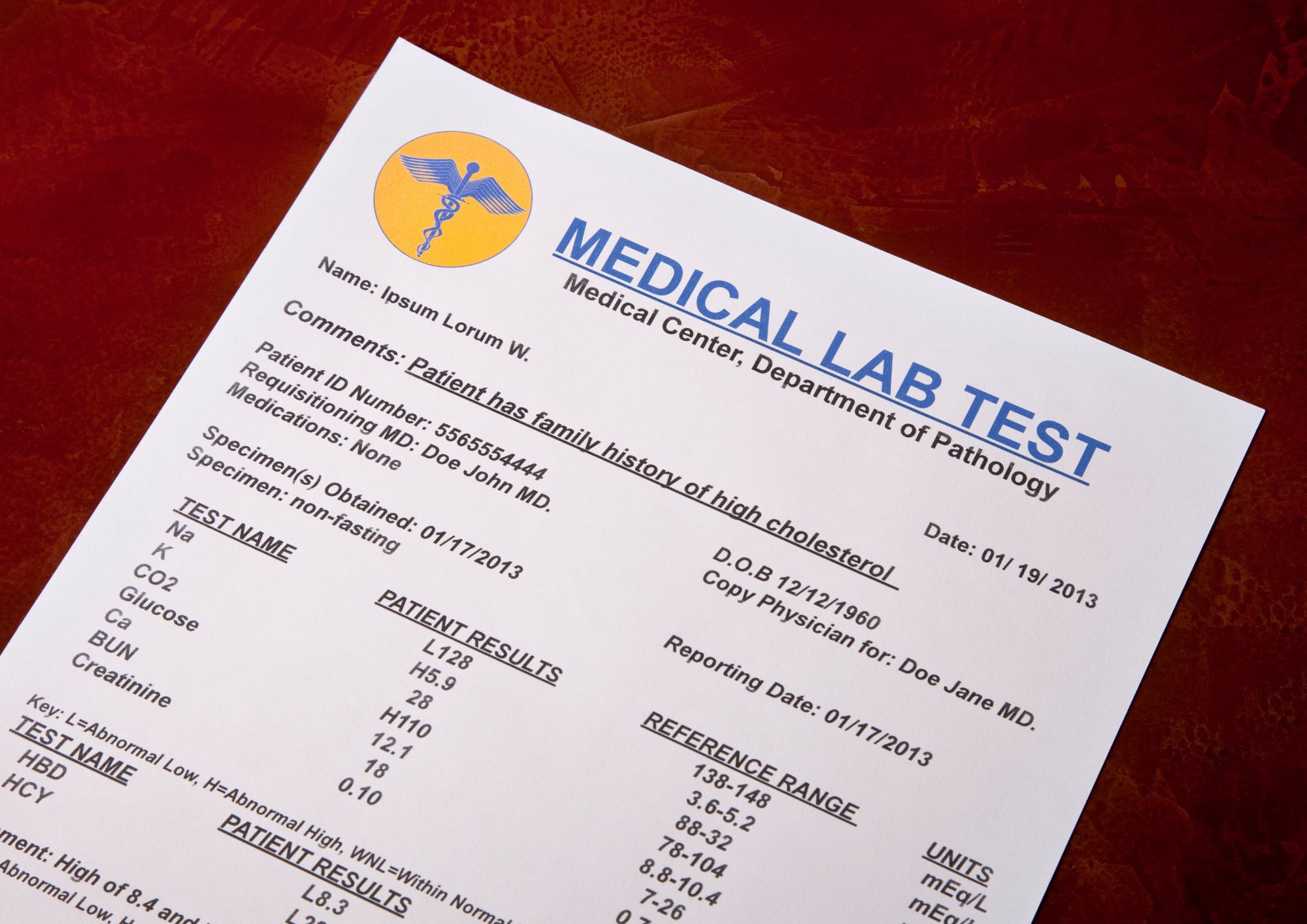
How Preventing Duplicate Medical Tests Can Help Lower Healthcare Costs
Medical tests play an important role in diagnosing illnesses and monitoring health, but repeating the same test unnecessarily can increase healthcare costs without improving patient care. Duplicate medical tests can occur for several reasons, including poor communication between healthcare providers, incomplete medical records, or patients receiving care from multiple specialists.
By understanding why duplicate testing happens and how to prevent it, patients can help reduce unnecessary healthcare expenses while supporting safer, more coordinated care.
Why Duplicate Medical Tests Happen
Duplicate medical tests occur when a patient undergoes the same or a very similar laboratory test, imaging study, or diagnostic procedure more than once without a clear medical reason. While repeat testing is sometimes medically necessary to monitor changes in a patient's condition, unnecessary duplication may happen when healthcare providers do not have access to previous test results.
This situation is more common when patients visit multiple specialists, change healthcare providers, receive emergency care away from their usual healthcare system, or when medical records are not shared efficiently between facilities.
As healthcare organizations continue adopting electronic health records and health information exchanges, communication among providers continues to improve, helping reduce avoidable duplicate testing.
How Duplicate Testing Affects Healthcare Costs
Every medical test contributes to overall healthcare spending. When unnecessary tests are repeated, patients may face additional deductibles, copayments, or coinsurance depending on their insurance coverage.
Duplicate testing also increases costs for health insurance plans and public healthcare programs such as Medicare and Medicaid. Over time, unnecessary healthcare spending can contribute to higher healthcare costs across the system.
Reducing avoidable testing allows healthcare resources to be used more efficiently while helping patients avoid unnecessary financial burdens.
The Benefits of Better Care Coordination
One of the most effective ways to reduce duplicate testing is through strong care coordination. When primary care providers, specialists, hospitals, laboratories, and insurance plans communicate effectively, they are more likely to have access to previous test results before ordering additional procedures.
Electronic health records, patient portals, and secure health information exchanges make it easier for providers to review existing medical information and determine whether repeat testing is medically necessary.
Improved communication also helps patients receive more coordinated, efficient, and personalized healthcare.
What Patients Can Do to Help Prevent Duplicate Tests
Patients play an important role in preventing unnecessary testing. Keeping a personal record of previous laboratory work, imaging studies, and specialist visits can help healthcare providers determine whether recent results are already available.
Sharing information about recent tests during appointments, bringing copies of medical records when visiting a new provider, and using patient portals to access healthcare information can all improve communication.
If a provider recommends a test you've recently completed, it's appropriate to ask whether previous results can be reviewed before repeating the procedure.
Being an active participant in your healthcare can improve coordination while helping reduce unnecessary costs.
When Repeat Testing Is Actually Necessary
Although avoiding unnecessary duplication is important, repeat testing is often medically appropriate. Many chronic conditions require regular laboratory monitoring, imaging studies may be needed to evaluate disease progression, and new symptoms can require updated diagnostic testing.
Healthcare providers make testing decisions based on your current medical condition, treatment response, and clinical guidelines. Patients should never decline medically recommended tests without discussing the decision with their provider.
The goal is not to eliminate repeat testing but to avoid testing that provides little additional clinical value.
Conclusion
Preventing unnecessary duplicate medical tests benefits everyone involved in healthcare. Better communication among providers, improved access to medical records, and active patient participation can help reduce avoidable healthcare spending while improving the quality of care.
By understanding when repeat testing is necessary—and when it may not be—you can become a more informed healthcare consumer and make the most of your health insurance benefits.
Make the Most of Your Health Insurance Benefits
Understanding how healthcare decisions affect both your health and your costs can help you get more value from your insurance coverage. If you have questions about your benefits, Medicare, Medicaid, or health insurance options, schedule a consultation.
For more educational resources about health insurance and healthcare planning, visit Belle Vida Insurance